The state says a nurse aide is 175 hours. Here is all of them.
Not a brochure to request, not a PDF, and not a form to fax. The whole programme is on this page: every hour, every evening it runs, what it costs, what it does not include, and what you can do with it when you are finished.
Every hour you are buying
The number is $1,400, and here is the part everybody finds out later.
Programmes in this field are usually advertised as a single figure with the words "plus fees" somewhere underneath. The fees are real and they are not small, so they are listed here at the same size as the tuition rather than under it.
| Item | Paid to | Amount |
|---|---|---|
| Tuition, all 175 hours | Us | $1,400 |
| Textbook and workbook | Us, included above | included |
| Skills lab supplies and gloves | Us, included above | included |
| Deposit to hold your seat | Us, comes off the total, non-refundable | $350 |
| State competency exam | The testing vendor, on the day | $115 |
| Background screening | The state registry | $14 |
| CPR certification | A separate half-day course | $55 |
| Two sets of scrubs | Anywhere you like, any colour | about $60 |
| Non-slip closed shoes | Anywhere you like | about $40 |
| Realistic total, everything in | Across all of the above | about $1,684 |
- Payment plan. The $350 holds your seat. The balance can be split across three payments, the last of which falls before the clinical hours start, not before the first class.
- Workforce funding. Some students qualify for training funds through the regional workforce board, which can cover most of the tuition. It takes about three weeks to arrange, so ask before you pay the deposit rather than after.
- Employer sponsorship. Several facilities in this county will pay the whole thing for somebody who commits to working for them afterwards. We will tell you which ones and what the commitment is, including the part where you owe it back if you leave early.
- The deposit is genuinely non-refundable. It is stated twice on this page because a class has a hard cap and holding a seat means turning somebody else away.
Two evenings a week, and the clinical hours in blocks.
The classroom half is fixed and it is at night, deliberately, because most of the people who take this are already working. The clinical half is scheduled in blocks and we will do what we can to fit yours around a shift pattern, but it happens in facilities on their hours and some of it will be during the day.
Enrolment is open and it is on this page. Call, or fill in the form on it, and somebody answers within a working day. There is no office closure that stops you enrolling.
Background screening and your health paperwork have to be back. This is the step that most often delays a start, so it goes first.
First class, 5 p.m. Bring the things listed under "what you need". You will be in the skills lab on night two, not week six.
Classroom and skills lab, Monday and Wednesday, 5 to 9. Eighteen evenings, 75 hours. Two absences is the limit and it is the state's limit, not ours.
Clinical, 100 hours, overlapping the last of the classroom weeks. In a facility, in scrubs, with residents who will know your name by the second week.
State competency exam, written and skills, taken here in the building you trained in rather than somewhere unfamiliar.
On the registry, and working. Most students have an offer before the exam, because the facilities they did clinical hours in are the ones hiring.
What you need, and the two things that genuinely stop people.
| Requirement | What it actually means |
|---|---|
| 18 or over | On the first day of class, not on the exam day. |
| High school diploma or equivalency | Either one. If you do not have either yet, ask us, because the equivalency programme runs in this building too and people do them back to back. |
| Background screening | A state registry check. Certain findings are a bar and most things people worry about are not. If you are unsure, call and ask before you pay a deposit. We will give you a straight answer and we have given it before. |
| Physical ability | You will lift, transfer and be on your feet for four hours at a stretch. Say so early if that is a concern and we will talk about what the clinical hours are really like. |
| Reliable way to get to clinical | The most common reason somebody does not finish. The facilities are in this county but they are not all on a bus route, and clinical blocks start early. |
| Two evenings, thirteen weeks | Monday and Wednesday. Look at your actual calendar before you pay, not after. |
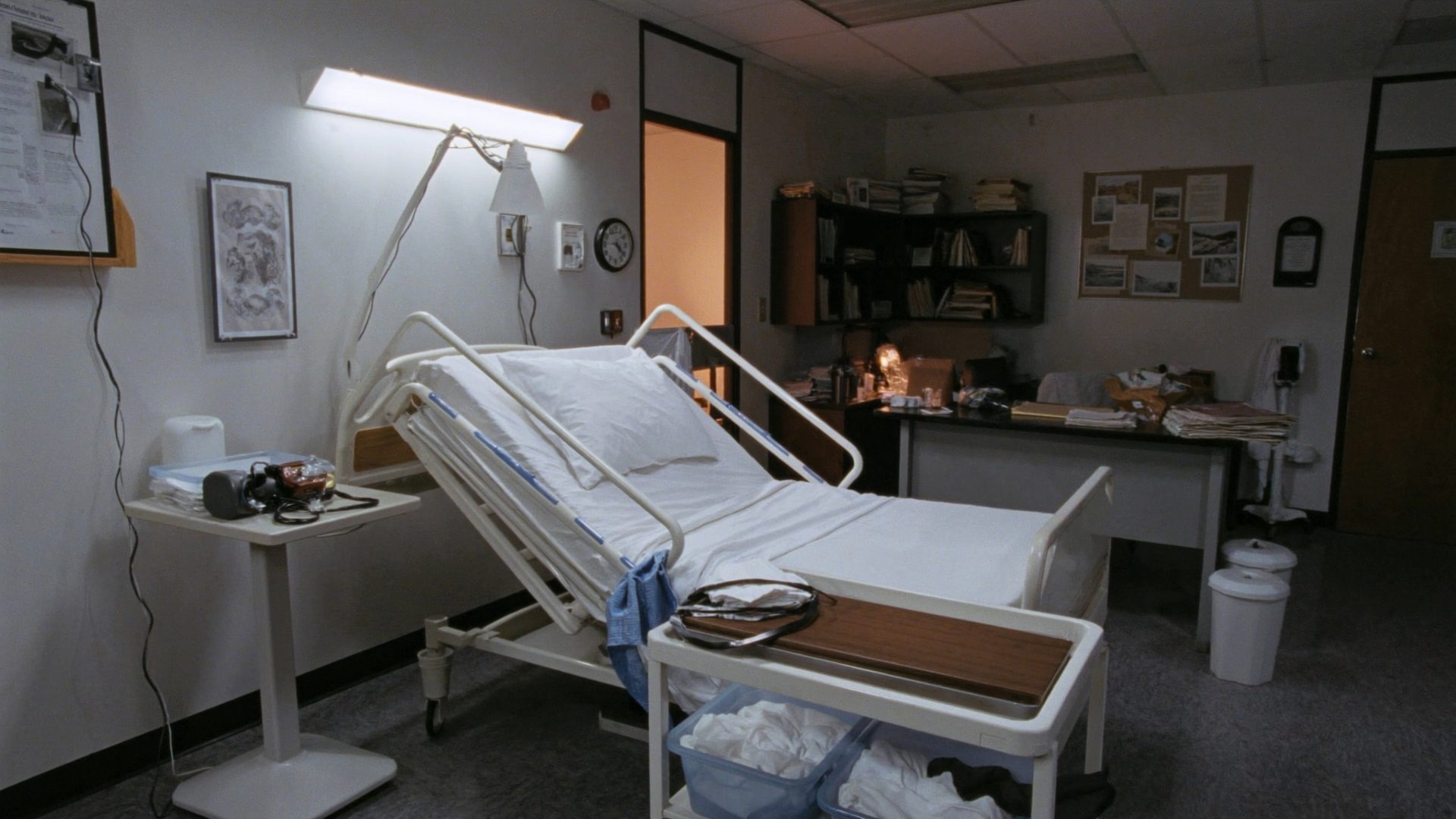
What the certificate is worth, stated honestly.
This is an entry to the field, and it is a real one. It is not a nursing degree and nobody here will imply that it is. What it is, is the credential that gets you onto a floor and paid while you decide whether the rest of it is for you.
- You will be on the state registry and able to work as a nurse aide anywhere in Missouri, in long term care, in hospitals and in home health.
- The next rung is the medication technician course, 68 hours, which we run in November and which requires six months of active registry status first. It is a raise and it is the usual second step.
- A large share of people who finish nursing school started here. Several of the local programmes give credit for the hours, and doing the work first is the cheapest possible way to find out whether you want the career.
- And the honest part. It is physical, the pay at the bottom of this field is not generous, and a proportion of every class decides within a year that it is not for them. We would rather you found that out during 100 hours of clinical than after two years of tuition somewhere else.
Ask the awkward question first.
Whether something on your record is a bar, whether you can do it around your shifts, whether the funding will come through, whether you are too old for this. All four get asked every term, all four have a plain answer, and none of them is a reason to wait until the class is full to ask.
Call (816) 555-0129